Cultural reflections The role of casinos in society's evolving narrative
Cultural reflections The role of casinos in society's evolving narrative
The Historical Context of Casinos
Casinos have long been intertwined with human civilization, serving various roles throughout history. From ancient times, when gambling activities took place in informal settings, to the grand establishments of the modern era, casinos reflect societal values and economic conditions. Early gambling was often a communal activity, signaling social cohesion, while the rise of elaborate brick-and-mortar casinos in the 20th century highlighted the increasing normalization of gambling as a form of entertainment. Today, you can find some of the best betting sites that offer similar experiences in an online environment.
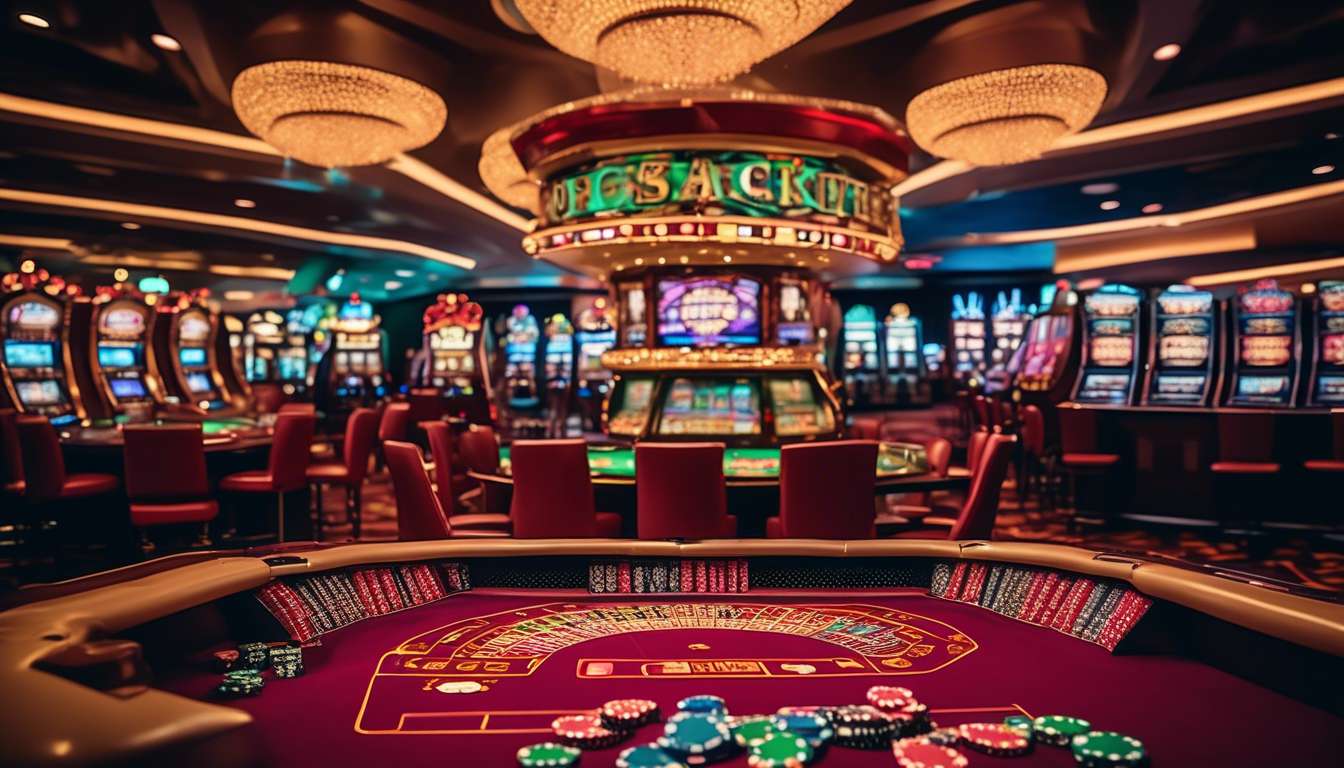
As societies evolved, so did the perception of casinos. Initially viewed with skepticism and often associated with vice, these establishments gradually transitioned into respected venues for leisure and social interaction. The emergence of Las Vegas as a gambling capital in the mid-20th century epitomized this shift, transforming casinos into major tourist attractions and cultural landmarks, illustrating their significant impact on local economies and communities.
The Shift to Online Gambling
The digital revolution has dramatically changed the landscape of gambling, giving rise to online casinos that cater to a global audience. This transition reflects broader societal trends toward digitalization and convenience, allowing people to engage in gaming activities from the comfort of their homes. As technology advanced, the online casino industry flourished, offering a wide range of games and experiences that mirror traditional venues while also incorporating innovations such as live dealer games.
Online gambling has redefined the accessibility of gaming, attracting a younger demographic that prefers the flexibility of online platforms. The ability to gamble at any time and from any location has transformed the gambling narrative, making it more inclusive. However, this shift has also raised concerns about addiction and regulatory challenges, leading to ongoing debates regarding responsible gambling practices and the need for effective regulation.
Casinos as Social Hubs
Beyond the games and gambling, casinos have evolved into significant social hubs where people gather for entertainment, dining, and cultural events. This transformation highlights their role in fostering community connections and providing a space for social interaction. Many casinos now offer a variety of amenities, such as restaurants, theaters, and live performances, enriching the visitor experience and positioning casinos as multifaceted destinations.
The concept of casinos as social spaces is particularly relevant in the context of community engagement. They often host events, support local charities, and contribute to tourism, further integrating themselves into the fabric of society. This evolution is a testament to the adaptability of casinos in meeting changing societal needs and preferences.
The Role of Regulation in Shaping Casinos
As the role of casinos in society has expanded, so has the necessity for regulatory frameworks to ensure fair play and protect consumers. Governments worldwide have implemented various regulations to oversee the gambling industry, addressing issues such as licensing, age restrictions, and responsible gambling initiatives. These regulations aim to create a safe and trustworthy environment for players, thus enhancing the credibility of both brick-and-mortar and online casinos.
Regulation also reflects societal attitudes toward gambling, showcasing how perceptions have shifted from viewing it as merely a vice to acknowledging its potential as a regulated form of entertainment. As casinos continue to adapt to regulatory changes, they must balance innovation with responsible practices, ensuring that they remain a positive force within society.

Exploring the Cultural Impact of Casinos
Casinos are more than just places to gamble; they are cultural phenomena that influence art, music, film, and literature. Their presence in popular culture reflects societal attitudes toward luck, chance, and risk, often romanticizing the allure of gambling while also cautioning against its pitfalls. Films like “Casino” and “Ocean’s Eleven” capture the glamour and excitement associated with these venues, contributing to a broader narrative that intertwines gambling with themes of aspiration and consequence.
As society continues to evolve, the representation of casinos in culture will likely adapt as well. Online gambling platforms are already gaining visibility in digital media, reshaping the narrative around gaming experiences. Understanding these cultural reflections is essential for grasping the full impact of casinos in contemporary society, illustrating how they resonate with evolving narratives of risk, reward, and community.
Leave a Reply